How Often Should You Replace Your Dentures and What Factors Influence Their Lifespan

Dentures play a crucial role in restoring your smile, improving speech, and helping you enjoy your favorite foods. But like any dental appliance, they don’t last forever. Knowing when to replace your dentures can save you discomfort, prevent oral health issues, and keep your smile looking its best. This post explains how often dentures should be replaced, what affects their lifespan, and how to care for them properly.
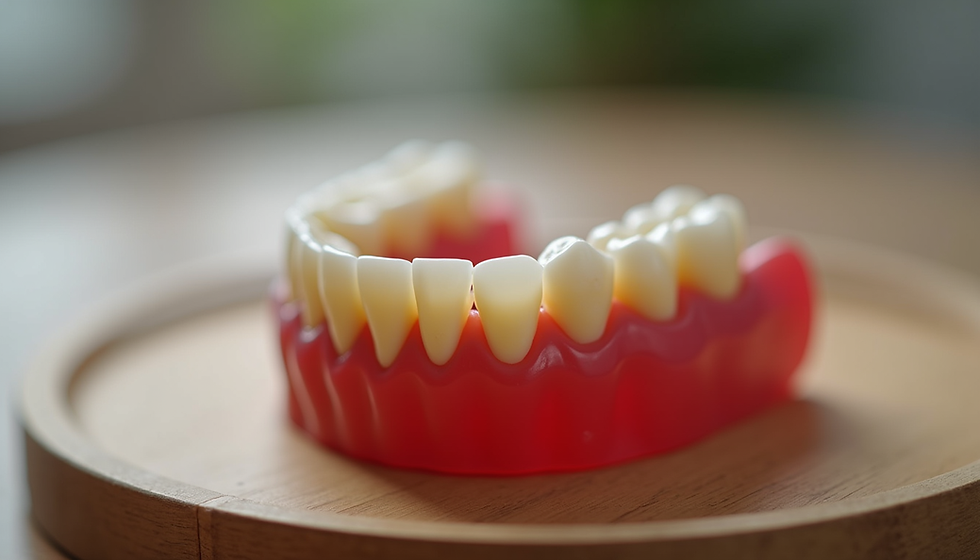
How Long Do Dentures Typically Last?
Most dentures last between 5 to 10 years. This range depends on several factors, including the type of denture, how well you care for them, and changes in your mouth over time. Some people may find their dentures need replacement sooner, while others can use them comfortably for longer.
Dentures are made from materials like acrylic resin and metal, which can wear down or become damaged. Over time, the fit may loosen as your gums and jawbone change shape. This natural process means dentures that once fit perfectly can become uncomfortable or less effective.
Factors That Influence Denture Lifespan
Wear and Tear
Daily use causes gradual wear on dentures. Chewing, speaking, and cleaning all contribute to small damages that add up. Over time, the acrylic base can crack or chip, and the teeth may become worn down or discolored.
Changes in Oral Health
Your mouth changes as you age. The jawbone can shrink, gums may recede, and soft tissues can alter shape. These changes affect how dentures fit. Poor fit can cause irritation, sores, and difficulty chewing.
Dental conditions like gum disease or infections can also impact denture comfort and function. Regular dental check-ups help monitor these changes and catch problems early.
Advancements in Dental Technology
New materials and techniques improve denture durability and comfort. For example, flexible dentures offer a more natural feel, and digital impressions create better-fitting appliances. If your dentures are older, upgrading to newer technology might improve your experience.
Signs It’s Time to Replace Your Dentures
Knowing when to replace dentures can prevent discomfort and oral health problems. Watch for these signs:
Loose fit or slipping while talking or eating
Sores, irritation, or pain in your gums
Visible cracks, chips, or damage on the denture
Difficulty chewing or speaking clearly
Changes in your facial appearance, such as sunken cheeks
Persistent bad odor or staining that cleaning doesn’t remove
If you notice any of these, schedule a dental appointment. Your dentist can assess whether adjustment, repair, or replacement is needed.
Tips for Maintaining Your Dentures
Proper care extends the life of your dentures and keeps your mouth healthy. Follow these tips:
Clean dentures daily using a soft brush and denture cleaner, not regular toothpaste which can be abrasive
Rinse dentures after eating to remove food particles
Soak dentures overnight in a denture solution to keep them moist and prevent warping
Handle dentures carefully to avoid dropping and breaking them
Avoid hot water which can distort the shape
Visit your dentist regularly for check-ups and professional cleaning
Good maintenance reduces wear and helps detect issues early.
Why Regular Dental Check-Ups Matter
Even if your dentures feel fine, regular dental visits are essential. Dentists check for changes in your mouth, assess denture fit, and look for signs of oral disease. They can recommend relining or rebasing dentures to improve fit without full replacement.
Regular exams also help maintain your overall oral health, which affects how well your dentures function. Staying proactive with dental care ensures your dentures continue to support your quality of life.
Replacing dentures is a normal part of maintaining your oral health. Most dentures last 5 to 10 years, but factors like wear, changes in your mouth, and new dental technology influence when you need new ones. Pay attention to fit, comfort, and appearance, and keep up with daily care and dental visits. This approach helps you enjoy your dentures longer and keeps your smile healthy.
If you’re unsure about your dentures or notice any problems, contact your dentist. They can guide you on the best time for replacement and help you explore options that suit your needs. Taking care of your dentures means taking care of your smile.


Comments