Why Are My Teeth Sensitive to Cold Understanding Causes and Relief Tips

A sip of ice water should feel refreshing, not like a jolt through your jaw. If cold drinks, winter air, ice cream, or even rinsing after brushing make your teeth zing, you are not imagining it. Cold sensitivity is common, and in many cases, it can be managed once you understand what is causing it.
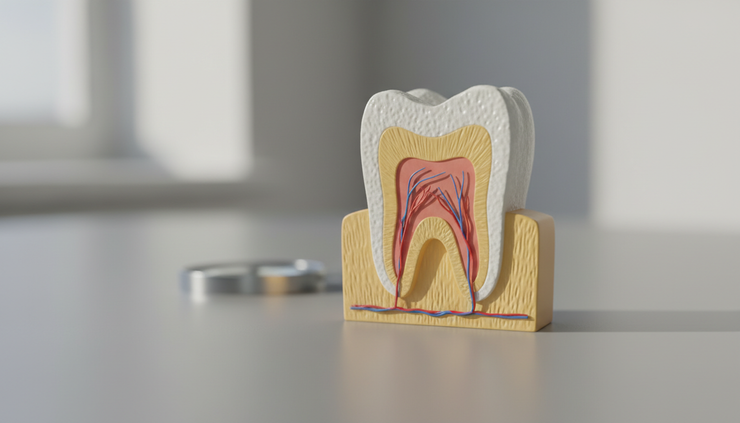
Tooth sensitivity happens when the softer inner layer of the tooth, called dentin, becomes exposed or irritated. Dentin contains tiny channels that lead toward the nerve inside the tooth. When cold touches those channels, the nerve can react with a sharp, quick pain.
The good news is that cold sensitivity does not always mean something serious is wrong. It can come from worn enamel, receding gums, brushing habits, teeth grinding, or recent dental work. Still, it can also signal a cavity, cracked tooth, or infection, so it is worth paying attention to the pattern.
This article is informational only and is not a substitute for dental care. A dentist can examine your teeth and gums, identify the cause, and recommend the safest treatment.

What cold sensitivity feels like
Cold sensitivity usually feels sharp, sudden, and short. It may happen when cold air hits your teeth, when you drink chilled water, or when a spoonful of ice cream touches a specific area.
Many people describe it as:
A quick zing in one tooth
A flash of discomfort near the gumline
A sharp feeling that fades after a few seconds
Sensitivity that comes and goes with certain foods or drinks
That pattern matters. Brief sensitivity often points to exposed dentin or mild irritation. Lingering pain that lasts more than several seconds may suggest deeper inflammation in the tooth, especially if it happens without an obvious cold trigger.
Dentists often ask where the pain is, how long it lasts, and what brings it on. Those details help separate everyday sensitivity from a dental problem that needs treatment.
Why cold bothers sensitive teeth
The outer layer of a healthy tooth is enamel, the hardest substance in the body. Enamel protects the crown of the tooth, which is the part above the gumline. The root is protected by a thinner layer called cementum. Beneath both is dentin.
When enamel thins or gum tissue pulls back, dentin can become exposed. Dentin has tiny tubules, almost like microscopic tunnels. Cold can move through those tubules and stimulate the nerve inside the tooth.
That is why sensitivity often appears near the gumline, on worn biting edges, or around teeth with small cracks or dental work. The nerve is not necessarily damaged, but it is more exposed to temperature changes.
Dentists commonly recommend treating sensitivity based on the cause, not just the symptom. The same cold zing can come from enamel wear, gum recession, a cavity, a cracked tooth, or an irritated nerve.
Common causes of teeth sensitive to cold
Cold sensitivity can have more than one cause. Some causes build slowly over time, while others appear suddenly.
Enamel erosion can expose dentin
Enamel erosion happens when acids wear away the tooth’s protective outer layer. Once enamel is lost, the body cannot grow it back. That does not mean the tooth is doomed, but it does mean prevention and protection matter.
Common sources of acid include:
Soda and sports drinks
Citrus fruits and juices
Sour candies
Frequent snacking on acidic foods
Acid reflux
Vomiting related to illness or other health conditions
Brushing right after acidic foods or drinks can make erosion worse. Acid temporarily softens enamel, and brushing during that window may contribute to wear. A dentist may suggest rinsing with water and waiting before brushing.
Sensitivity from enamel erosion often affects several teeth, especially the front teeth or the chewing surfaces.
Gum recession can uncover the roots
Gum tissue normally covers the roots of the teeth. When the gums recede, the root surface becomes exposed. Because root surfaces do not have the same thick enamel protection as the crown, they can become sensitive quickly.
Gum recession can come from:
Brushing too hard
Using a hard-bristled toothbrush
Gum disease
Teeth grinding or clenching
Normal aging
Tooth position or past orthodontic movement
Sensitivity from gum recession often shows up at the gumline. It may feel worse when cold liquid touches one side of the mouth or when air hits the teeth.
If gums look lower than they used to, teeth appear longer, or the gumline feels notched, a dental exam can help. Gum recession can often be managed, but the right approach depends on whether inflammation, brushing force, bite pressure, or gum disease is involved.
Cavities can create cold sensitivity
A cavity starts as damage to enamel, but as decay progresses, it can reach dentin. Once dentin is affected, cold sensitivity becomes more likely. A cavity may cause sensitivity in one tooth rather than the whole mouth.
Signs that sensitivity may be related to decay include:
Pain in a specific tooth
Sensitivity to sweets as well as cold
A visible dark spot or hole
Food getting stuck in the same place
Discomfort when biting
Cavities do not heal on their own once they create a hole in the tooth. Early treatment is usually simpler than waiting, so a new one-tooth cold sensitivity deserves attention.
Cracked teeth and worn fillings can irritate the nerve
A small crack can allow cold to reach deeper parts of a tooth. Cracks may come from chewing ice, biting hard foods, grinding, trauma, or large older fillings that weaken the tooth over time.
A cracked tooth can be tricky because it may not always show on a basic visual exam. The pain may come and go. It may feel sharp when biting or when releasing pressure after a bite.
Old fillings can also leak, chip, or pull away from the tooth. When that happens, cold liquid or air can seep into tiny gaps and trigger sensitivity.
Grinding and clenching can wear teeth down
Many people grind or clench their teeth without realizing it, often during sleep. Over time, grinding can wear enamel, flatten biting surfaces, create tiny cracks, and stress the gumline.
Possible signs include:
Jaw soreness in the morning
Headaches near the temples
Flattened or chipped teeth
Tooth sensitivity on several teeth
A partner noticing grinding sounds at night
Dentists may recommend a custom night guard if grinding is contributing to sensitivity or tooth wear.
Recent dental work can cause temporary sensitivity
Teeth can feel sensitive after fillings, crowns, cleanings, whitening treatments, or other dental procedures. In many cases, the nerve is temporarily irritated and settles down with time.
Whitening products are a common example. They can make teeth more sensitive to cold, especially if used too often or if the tray or strips touch the gums.
Temporary sensitivity should gradually improve. If it gets worse, lasts longer than expected, or affects biting, call the dental office that performed the treatment.
How to manage cold sensitivity at home
Home care can make a real difference, especially when sensitivity comes from enamel wear, exposed dentin, or brushing habits.
Use desensitizing toothpaste consistently
Desensitizing toothpaste can help block the tiny tubules in dentin or calm nerve response. It does not work instantly for everyone. Many people need to use it daily for a few weeks before they notice steady improvement.
For best results:
Use it twice a day unless your dentist gives different instructions
Spit after brushing instead of rinsing heavily with water
Avoid switching between several whitening or abrasive toothpastes
Apply a small smear to sensitive spots before bed if your dentist says it is okay
Look for toothpaste labeled for sensitivity. Many contain ingredients such as potassium nitrate or stannous fluoride.
Switch to a soft toothbrush and gentle pressure
Hard brushing can wear enamel and push gums back over time. A soft-bristled toothbrush is usually enough to clean teeth without scrubbing.
Try this simple test. If toothbrush bristles flare outward after a short time, the pressure is probably too strong.
Use small circles along the gumline. Let the bristles do the work. Brushing harder does not clean better, but it can make sensitivity worse.

Avoid extreme temperatures for a while
If cold triggers pain, give your teeth a break while you work on the cause. Choose cool or room-temperature drinks instead of icy ones. Let very cold foods soften slightly before eating.
Also watch sudden temperature swings. Drinking hot coffee and then ice water can irritate sensitive teeth. The shift from hot to cold may be more uncomfortable than either temperature alone.
Cut back on acidic foods and drinks
You do not have to avoid every acidic food forever. The goal is to reduce frequent acid exposure.
Helpful habits include:
Drink water after acidic drinks or foods
Use a straw for acidic drinks when practical
Avoid sipping soda or citrus drinks over long periods
Wait before brushing after acidic foods
Choose less acidic snacks more often
If acid reflux is part of the problem, talk with a medical professional. Protecting teeth may require managing the reflux, not just changing toothpaste.
Do not ignore dry mouth
Saliva helps protect enamel by washing away acids and supporting minerals in the mouth. Dry mouth can increase the risk of cavities and sensitivity.
Dry mouth can come from medications, dehydration, mouth breathing, tobacco use, or some health conditions. Sipping water, chewing sugar-free gum, and asking a clinician about medication side effects may help.
Pause whitening products if sensitivity flares
Whitening strips, gels, and trays can trigger sensitivity. If teeth start reacting strongly to cold, stop whitening and let the teeth settle. A dentist can recommend a safer schedule or a product better suited to sensitive teeth.
What dentists may recommend
A dentist will look for the source of sensitivity before choosing treatment. The exam may include checking for cavities, gum recession, worn enamel, cracks, bite issues, and older dental work.
Common professional treatments include:
Fluoride treatments
Fluoride varnish or gel can help strengthen enamel and reduce sensitivity in some cases.
Dental bonding
A tooth-colored resin can cover exposed root surfaces or worn areas when appropriate.
Fillings or crowns
If decay, cracks, or damaged restorations are causing sensitivity, the tooth may need repair.
Gum care
If gum disease or recession is involved, treatment may include a deep cleaning, improved home care, or referral to a gum specialist.
Night guards
For grinding or clenching, a custom guard can reduce stress on teeth and help protect enamel.
The best treatment is the one that matches the cause. That is why guessing can be frustrating. Two people can have the same cold sensitivity and need completely different care.
When to seek professional help
Mild sensitivity that improves with desensitizing toothpaste and gentler habits is usually not an emergency. Still, some symptoms should be checked soon.
Schedule a dental visit if:
Sensitivity is new and affects one tooth
Pain lingers after cold is gone
You feel pain when biting or chewing
A tooth looks cracked, dark, or chipped
You notice swelling, pus, or a bad taste
Gums bleed often or look like they are pulling back
Sensitivity follows recent dental work and keeps getting worse
Over-the-counter sensitivity toothpaste does not help after consistent use
Seek urgent dental care if pain becomes severe, swelling spreads, fever develops, or it becomes hard to open the mouth or swallow. These can be signs of infection and should not wait.

A reassuring way to think about cold sensitivity
Cold sensitivity is a signal, not a diagnosis. Sometimes it is your teeth asking for gentler brushing, less acid, or a toothpaste made for sensitivity. Other times it is an early warning sign of a cavity, crack, gum problem, or worn filling.
Start with simple steps. Use desensitizing toothpaste daily, switch to a soft brush, avoid very cold triggers for a short time, and reduce acidic drinks and snacks. Track whether the sensitivity is improving, staying the same, or getting worse.
If the pain is sharp, localized, lingering, or linked to biting, make a dental appointment. Getting answers early can prevent a small issue from becoming a larger one, and it can make everyday things like cold water and ice cream comfortable again.


Comments